2025 08/31
Best Dog Parks in Central Tokyo: Complete Guide for Foreign Pet Owners
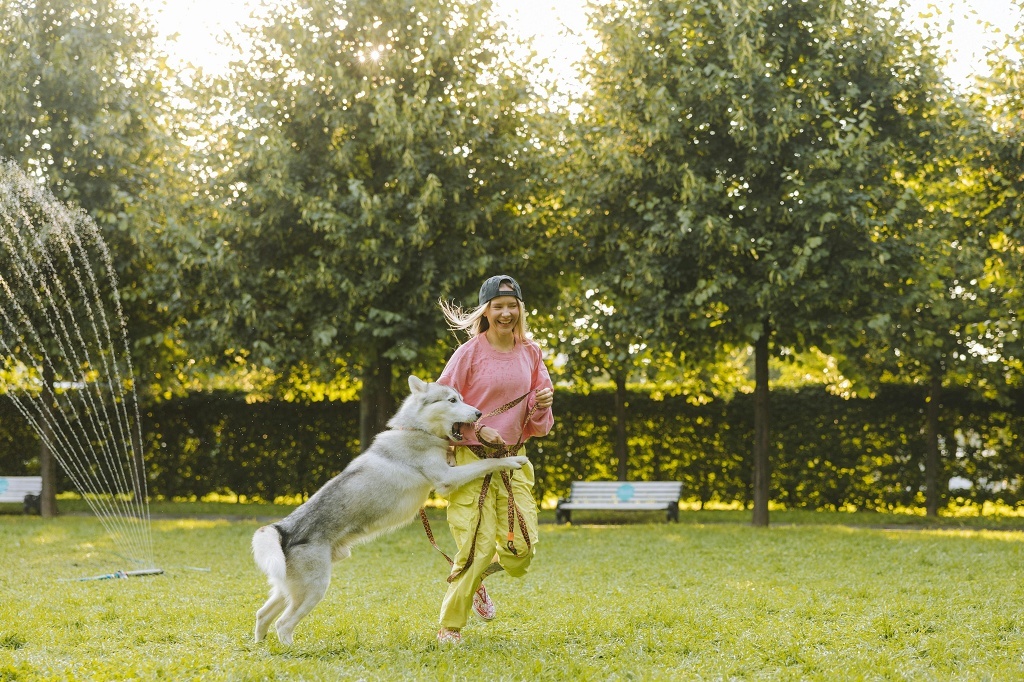
After completing pet registration procedures outlined in "Living Together With Your Pets in Japan," you're ready to explore dog-friendly community in Tokyo. Central Tokyo offers excellent dog parks across five key districts, providing opportunities for exercise, socialization, and community building. This guide covers registration requirements, facility details, and essential etiquette for successful dog park experiences.
Requirements and Registration Process for Tokyo Dog Parks
Understanding documentation and registration procedures is essential for accessing dog park facilities in Tokyo.
Essential Documentation
Municipal Dog Registration Certificate: Your dog needs to be registered with your local ward office, evidenced by the metal identification tag that must remain attached to your dog's collar. This proves legal ownership and includes owner contact information.
Rabies Vaccination Certificate: All dogs must present current rabies vaccination certificates issued by licensed veterinarians. An Annual renewal is required and must include your dog's identification details and vaccination dates. Some Tokyo veterinary clinics offer English-Speaking services.
Mixed Vaccination Certificate: Most facilities require proof of comprehensive vaccination coverage (5-in-1 or higher), including distemper, hepatitis, parainfluenza, and parvovirus. These typically require annual updates.
Health Examination Certificate: Some facilities may require recent veterinary health certificates confirming your dog is free from contagious diseases and behavioral issues.
Registration Process
The registration process varies depending on the facility.
Free Public Dog Runs: Many Tokyo parks such as Yoyogi Park, Komazawa Park, and Kinuta Park have no entry fee, but you must register in advance at the ward office or management center.
Pre-registration vs Walk-in: For facilities that require pre-registration, registration must be completed through the ward office in advance. These facilities provide controlled environments. On the other hand, Walk-in facilities accept same-day entry with proper documentation.
Application Methods: Some of the recently opened facilities offer digital registration through Ward websites. Other registrations require visiting ward offices with original documents plus photocopies.

Top Dog-Friendly Parks in Central Tokyo Areas
【Dog Run】
Yoyogi Park Dog Run (Shibuya Ward)
Adress : 2-1, Yoyogikaamizono-cho, Shibuya-ku, Tokyo (Google Map)
Requires pre-registration at Shibuya Ward with proof of rabies and vaccination.
Features: Separate areas for small/large dogs, water stations, shade.
Komazawa Olympic Park Dog Run (Meguro Ward)
Address : 20-1, Yakumo, Meguro-ku, Tokyo (Google Map)
Premier facility jointly administered with Setagaya Ward. Pre-registration required.
Features : professional agility equipment and specialized training areas.
Roka Koshun Park Dog Run (Setagaya Ward)
Address : 1-20-1, Kasuya, Setagaya-ku, Tokyo (Google Map)
Registration required at the service center in the park.
Features : separated into small dog priority area and no-size-restriction area.
Wadabori Park Dog Run (Suginami Ward)
Address : 1-1-5, Matsunoki, Suginami-ku, Tokyo (Google Map)
Community-focused facility serving residential areas with convenient public transport access.
【Dog-Friendly Large Park】
Shiba Park Areas (Minato Ward)
Address : 4-8-4, Shibakoen, Minato-ku, Tokyo (Google Map)
Shiba Park does not have a dedicated dog run. Dogs are welcome if kept on-leash.
It’s a scenic area near Tokyo Tower, great for walks but not for off-leash play.
Miyashita Park Rooftop (Shibuya Ward)
Address : 6-20-10, Jingumae, Shibuya-ku, Tokyo (Google Map)
Urban facility with Tokyo skyline views.
Setagaya Park (Setagaya Ward)
Address : 1-5-27, Ikejiri, Setagaya-ku, Tokyo (Google Map)
Family-oriented environment near the miniature railway. Smaller scale suitable for senior dogs.
Zenpukuji River Green Space (Suginami Ward)
Address : 1-30-27, Naritanishi, Suginami-ku, Tokyo (Google Map)
Riverside setting with natural walking paths. Free (registration required). Linear design allows extended riverside walks.

Essential Rules and Safety Guidelines for Tokyo Dog Parks
Fundamental Usage Rules
Time Compliance: Facilities operate on exact schedules, typically 9:00 AM to sunset. Users must exit five minutes before closing. Remaining beyond posted hours may result in access restrictions.
Constant Supervision: Owners must maintain visual contact with dogs at all times. Extended phone use or conversations that divert attention violate facility expectations.
Distance Respect: Maintain appropriate distances between dogs unless owners explicitly encourage interaction.
Prohibited Activities
Heat Cycle Restrictions: Female dogs in heat are strictly prohibited throughout the entire cycle (typically 2-3 weeks).
Aggressive Behavior: Dogs showing aggression must be immediately removed. Repeated incidents may result in permanent facility bans.
Food Restrictions: Most facilities prohibit outside food, treats, or toys to prevent resource guarding.
Child Supervision: Children under 10-12 years cannot enter dog areas without direct adult supervision.
Violation Consequences: Rule violations result in warnings, temporary suspensions, or permanent bans.

General Park Etiquette and Community Harmony
Basic Courtesy Standards
Legal Leash Requirements: Tokyo metropolitan law mandates leashing in all public spaces outside designated off-leash zones. Leash length must not exceed two meters, and retractable leashes must be locked at appropriate lengths to prevent entanglement or unwanted contact with other park users including joggers, cyclists, and families.
Comprehensive Waste Management: Waste removal extends beyond basic pickup to include carrying water for cleaning urine spots from plants, pathways, and public infrastructure. Many experienced Tokyo dog owners carry dedicated water bottles for this purpose, demonstrating respect for shared public spaces and environmental stewardship.
Infrastructure Protection: Dogs should never be permitted to dig, mark territory on plants, or damage park infrastructure including benches, signs, fountains, or landscaping features. Maintaining designated pathways protects careful landscaping efforts and preserves the pristine conditions Tokyo parks are internationally recognized for maintaining.
User Consideration: Tokyo parks serve diverse community members including families with small children, elderly exercise groups, school clubs, and individuals who may feel uncomfortable around dogs. Maintain respectful distance from non-dog users and ensure your pet never approaches people without clear invitation and permission.
Neighborhood Integration
Time-Sensitive Activities: Minimize early morning (before 7:00 AM) and late evening (after 8:00 PM) activities in residential areas.
Sound Control: Train dogs to respond to quiet commands and minimize excessive barking in urban settings.
Shared Space Courtesy: In apartment buildings, use service elevators when available, clean paws before entering, and maintain control in lobbies.
Community Participation: Consider joining local cleaning activities or neighborhood events when invited.

What to Do in Various Situations
Common Questions and Solutions
Registration Renewal Issues: If you forget to renew your registration, contact facility management immediately to understand reinstatement procedures and requirements. Most facilities offer grace periods for renewals, though late fees may apply depending on the duration of expiration. Bring updated vaccination certificates and be prepared to complete abbreviated renewal paperwork or pay additional processing fees.
Relocation Between Prefectures: When moving from other prefectures to Tokyo, you'll need to re-register your dog with your new ward office and update all facility registrations accordingly. Begin this administrative process at least two weeks before relocating to ensure continuous access to dog parks. Some locations offer temporary visitor passes during transition periods for registered users in good standing.
Dog Conflict Responsibilities: If your dog becomes involved in aggressive interactions with other animals, immediately separate the animals using calm but firm techniques. Exchange contact information with other owners involved and document any injuries with photographs if appropriate. Report serious incidents to facility management for official record-keeping and follow-up procedures. Owners are typically held responsible for their dog's behavior and any resulting damages or medical expenses.
Weather-Related Restrictions: During typhoons, heavy snow, or extreme weather conditions, most dog parks temporarily close for safety reasons. Check facility websites or call ahead during severe weather periods to confirm operational status. Some indoor facilities may remain open with limited capacity during mild weather disruptions.
Language Support Services: While some ward offices offer international consultation services in multiple languages including English, Chinese, and Korean, availability varies significantly between locations. Consider bringing a Japanese-speaking friend or using professional translation apps for important registration procedures and complex communications with facility management.
Success Strategies
Documentation Organization: Maintain organized files of pet documents and store digital copies on mobile devices for constant access.
Community Relationships: Regular facility use builds relationships with fellow owners, creating support networks for advice and friendship.
Continuous Training: Ongoing obedience and socialization ensures your dog adapts to urban environments and meets Japanese expectations.
Information Management: Stay informed about policy changes and facility updates through official websites and community networks.

Tokyo's dog park community offers exceptional opportunities for pet exercise, socialization, and owner networking when approached with proper preparation, cultural sensitivity, and commitment to community standards. Through careful attention to registration requirements, respectful adherence to facility rules, and active participation in maintaining community harmony, foreign pet owners can access world-class facilities while building meaningful, lasting relationships within Tokyo's welcoming and supportive pet community.
Understanding these guidelines and maintaining consistent compliance helps ensure continued access to excellent facilities while contributing to the positive environment that makes Tokyo's dog parks among the world's finest urban pet amenities.
For comprehensive information about initial pet registration procedures and legal requirements, visit our guide "Living Together With Your Pets in Japan."